
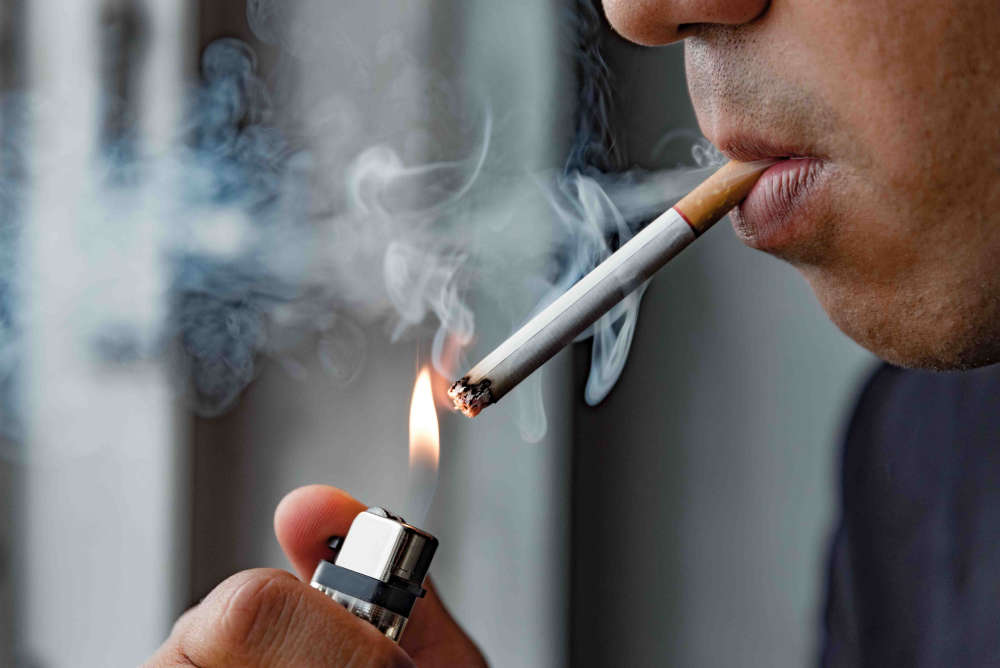
Second-hand smoke exposure is down by 96% since Scotland's smoking ban was brought in 20 years ago.
That's according to new research by the University of Stirling.
It's estimated more than nine in ten homes across Scotland are now smoke-free.
However, analysis shows many workers remain exposed to second-hand smoke.
That includes settings such as beer gardens, and homes visited by care workers.
Professor Sean Semple said: “Scotland’s smoke-free legislation has delivered extraordinary public health gains. The scale of the reduction in second-hand smoke exposure since 2006 is remarkable and shows how effective bold legislation can be.
“Scotland should be immensely proud of this achievement, and we should celebrate our success in clearing the air and improving health for the millions of people who previously had to breathe second-hand smoke at work and in leisure settings. We’ve had twenty years now where the majority of people in Scotland no longer breathe the toxins from cigarette smoke during their daily lives.
“But nearly a quarter of non-smokers are still exposed to tobacco smoke, and many of these exposures are happening at work – particularly in outdoor hospitality, transport settings and during visits to private homes. No one should be forced to breathe in tobacco smoke while doing their job.
“Although exposure levels today are typically much lower than before 2006, repeated low-level exposure still carries health risks. If we want to achieve Scotland’s ambition of reducing smoking to below five per cent by 2034, we need renewed focus on protecting workers and tackling the widening inequalities in home exposure.”
 Report into HMP YOI Polmont
 Man dies after M80 incident
 Rise in visitors to local tourist attractions
 New funding for Grangemouth
 Greyhound racing to be banned